Choosing the right Desktop Switching Power Supply is crucial for your computer system. An expert in the field, Dr. Emily Chen, emphasizes, “A quality power supply can significantly enhance the performance and longevity of your components.” This highlights the importance of selecting the best option to meet your specific needs.
When evaluating various models, consider power efficiency, reliability, and user reviews. A good Desktop Switching Power Supply should provide stable voltage and current to prevent system failures. Different brands offer varied features, which can be confusing. Take your time to compare specifications and understand what works best for your use case.
It’s easy to overlook details in this process. Many users focus on wattage while ignoring efficiency ratings or form factors. This can lead to poor performance or compatibility issues. Reflecting on your requirements will aid in making a more informed decision. Investing in a suitable Desktop Switching Power Supply pays off in the long run.
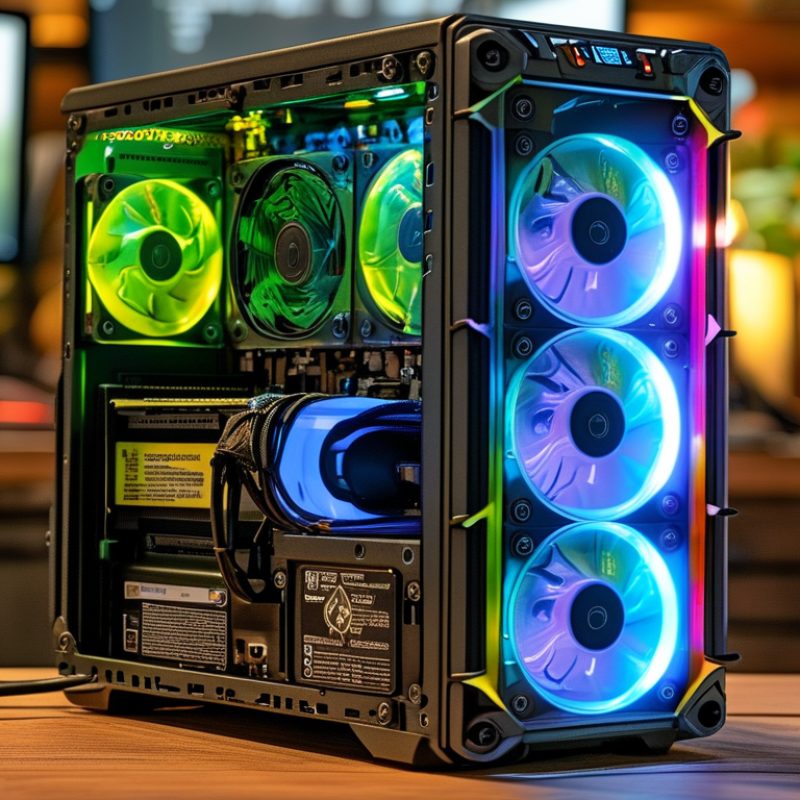
When exploring desktop switching power supplies (PSUs), understanding the fundamentals is crucial. Switching PSUs convert electrical power efficiently, with recent data indicating up to 90% efficiency ratings for high-quality models. This efficiency reduces energy waste and can lower electricity costs over time, making it an essential criterion for consumers.
Here are some tips: consider the wattage requirements specific to your devices. A PSU rated above your total power needs allows for future upgrades. Moreover, look for important certifications like 80 PLUS, which guarantees efficiency. It's noteworthy that the choice of components, including capacitors and transformers, also impacts performance.
Many users overlook noise and size. Some power supplies can generate significant noise, impacting your work environment. A compact design can save space but might come with trade-offs in cooling. Always reflect on the balance between form and function in your selection.
When selecting a desktop switching power supply, it’s essential to evaluate key specifications closely. Power rating is a vital factor. It is typically measured in watts. Ensure the power supply meets or exceeds the requirements of your components. Insufficient power can lead to system instability.
Efficiency is another critical aspect. Look for units with high efficiency ratings. Higher efficiency means less wasted power and reduced heat generation. This not only extends the life of the power supply but also minimizes energy costs.
Tip: Check for the 80 Plus certification. This standard ensures that the supply operates efficiently at various load levels.
Consider form factor as well. Make sure it fits within your case. ATX is the most common size. However, smaller cases may require SFX supplies.
Tip: Pay attention to the number of connectors offered. Ensure that there are enough for all your devices. Connecting everything properly is crucial for system performance.
Keep in mind that pricing is not always indicative of quality. It’s wise to balance cost with reliability. Some lower-priced options may fail faster than expected. Always read customer reviews and check return policies. This helps ensure your investment remains safe.
When selecting a desktop switching power supply, efficiency ratings are crucial. These ratings indicate how much of the energy drawn from the wall is effectively converted into usable power. A high efficiency rating means less energy wasted as heat. This translates not only into lower electricity bills but also a longer lifespan for your devices.
Understanding efficiency ratings can be complex. Various standards exist, and not all power supplies are rated equally. A model might boast an impressive 80% efficiency, but factors like load conditions can impact real-world performance. It's important to consider the typical load your power supply will face. Systems running near their maximum capacity may yield different efficiency outcomes compared to light use.
Don't overlook the importance of certifications. Look for designs that meet strict guidelines. A power supply with a certification from an independent organization signals reliability. However, it's essential to remember that certifications alone don’t guarantee performance. Testing with your own setup can reveal inaccuracies in manufacturer’s claims. Balancing these factors will take time, but it's a worthy investment for optimal performance and efficiency.
When selecting a desktop switching power supply, compatibility is crucial. One major factor is the form factor. Common types include ATX, SFX, and TFX. Each form factor has specific dimensions and connector layouts. For instance, ATX power supplies are typically larger and fit in most standard cases. SFX units are compact and ideal for smaller builds.
Research indicates that over 70% of users encounter compatibility issues. This often relates to size constraints or connector discrepancies. An SFX power supply may not fit in an ATX case, leading to frustration. Connector types, such as 24-pin or 8-pin, must also match the motherboard and components. Failing to ensure compatibility can lead to suboptimal performance or even hardware damage.
It's wise to consult your system's specifications before making a choice. Referencing industry data reveals that 30% of power supply failures stem from incorrect compatibility. Identifying your system's requirements early can help avoid regrets later. Examination of user reviews can also provide insights. These reflections emphasize the importance of aligning your power supply choice with your overall system design.
When analyzing cost versus performance for your desktop switching power supply, it's essential to consider your actual needs. Higher prices often promise better performance and efficiency, but not always. Evaluate how much power you need based on your devices. This ensures you don’t overspend on unnecessary features.
Tips: Check the wattage your setup requires. A power supply providing 80% of your needed wattage is often sufficient. Balance your budget and performance needs. Look for dependable reviews that highlight real-world usage.
Additionally, lifespan and reliability matter in the long run. Some lower-cost options may fail sooner than expected. Seeking out user experiences can provide insight into durability. Keep an eye on warranty details; they often indicate the manufacturer’s confidence in their product.
Tips: Ask others about their experiences with different models. Real-life insights are invaluable for decision-making. Remember, just because something is cheaper does not mean it's the best choice. Reflect on your specific requirements instead of following trends.
: A switching power supply converts electrical power efficiently. It can achieve up to 90% efficiency in high-quality models.
Higher efficiency reduces energy waste. This can lead to lower electricity costs over time.
Consider the total wattage requirements of your devices. A PSU rated above those needs allows for upgrades.
It guarantees that the power supply operates efficiently at various load levels, reducing waste.
Some power supplies can be noisy, affecting your work environment. Consider noise levels when choosing.
Form factor is crucial. Ensure it fits within your case; ATX is common, while smaller cases may need SFX.
Ensure there are enough connectors for all devices. Proper connections are essential for optimal system performance.
Lower-priced options can fail sooner than expected. Balance cost with reliability to ensure a good investment.
Reviews can provide insights into quality and reliability, helping you make a more informed decision.
Compact designs save space but may compromise cooling. Always weigh form against function in your choice.
When selecting a Desktop Switching Power Supply, understanding the basic functionality is crucial. These power supplies convert electrical power efficiently, making them essential for powering various desktop components. Key specifications such as wattage, voltage output, and connector types play a significant role in ensuring compatibility with your system.
Additionally, efficiency ratings should not be overlooked, as they indicate how well a power supply converts input energy to usable output, impacting energy costs and performance. It is also important to consider the form factors, ensuring that the power supply fits your case and is compatible with your hardware. Finally, a thorough analysis of cost versus performance will help you make an informed decision, balancing your budget with the power needs of your desktop setup.

Tech Adapter