How to Choose the Right AC DC Power Adapter for Your Needs?

Time:2026-06-29 Author:Oliver
0%

Choosing the right AC DC Power Adapter is crucial for the performance of your electronic devices. The right adapter ensures your gadgets receive the correct voltage and current. An inadequate adapter can lead to device malfunction or even damage. It’s essential to assess your power requirements carefully before making a purchase.

Start by identifying the voltage and current specifications for your device. These details are usually found on the device itself or in its manual. Matching these specifications to your AC DC Power Adapter is vital. Use an adapter that provides slightly more current than needed, but never exceed the voltage rating. This will help prevent overheating and ensure longevity.

Many consumers overlook the importance of quality when selecting an AC DC Power Adapter. Cheap, low-quality options may save money but can result in problems later. Always consider reputable brands with positive reviews. Reliability matters, and investing in a well-made adapter can save you from future headaches. Reflect on these factors as you navigate the choices available in the market.
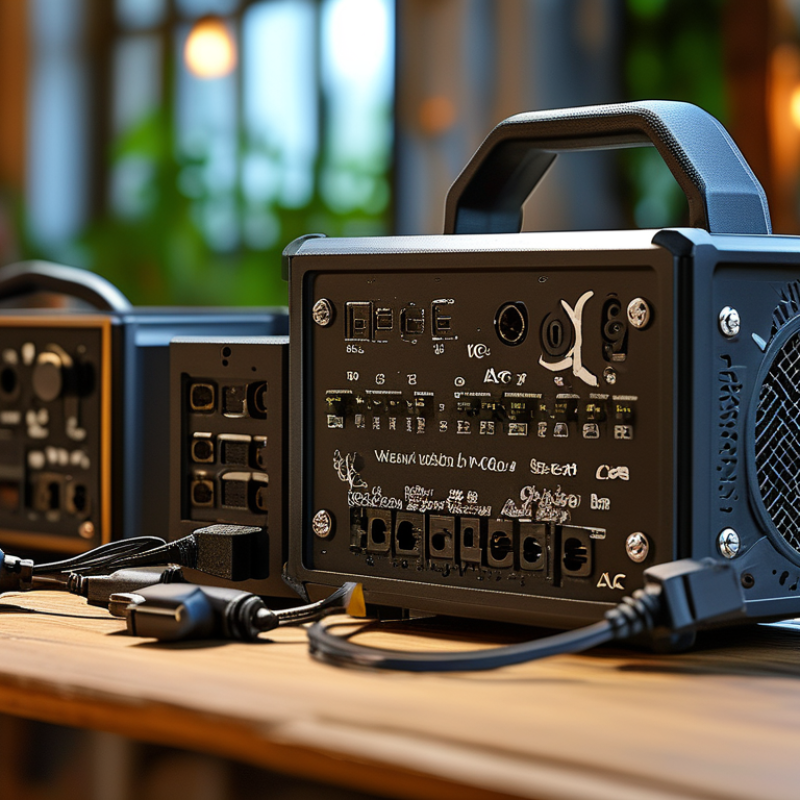
How to Choose the Right AC DC Power Adapter for Your Needs?

Understanding the Basics of AC DC Power Adapters

When selecting an AC DC power adapter, understanding its basics is essential. AC (Alternating Current) adapters convert wall outlet power into DC (Direct Current), which most electronic devices require. Knowing the voltage and current specifications is crucial to ensure compatibility. Using the wrong adapter can damage your device or lead to inefficiencies.

Always check the voltage rating. It should match your device's requirements. For current, using an adapter with a higher rating than needed is acceptable. This can help in cases where multiple devices are powered simultaneously.

Tips for finding the right adapter include examining your device’s power needs. Look at labels or manuals for specifications. If you can’t find them, consult the manufacturer’s website. Additionally, don't forget to review safety certifications. These can indicate reliability. You may also consider getting adapters with built-in protections, like overvoltage or short-circuit safeguards.

Sometimes, adapters may not work perfectly. You might experience overheating or inconsistent power. Keep an eye on these signs. They could indicate an unsuitable adapter choice. Trust your instincts and reassess your options if problems arise.

Identifying Your Power Requirements for Devices

Choosing the right AC DC power adapter begins with understanding your device's power requirements. Every electronic device operates at a specific voltage and current. Identifying these specs is crucial. Look at the device label; it usually displays necessary information. A mismatch can cause damage or inefficiency.

Consider the wattage too. This is the total power your device needs. For instance, if your gadget needs 5V at 2A, it requires 10 watts. Remember to account for any peak loads. Sometimes, devices may draw extra power during startup. Overestimating your needs can lead to wasted energy, while underestimating may cause instability.

Not all adapters are created equal. While it may be tempting to use a universal adapter, this can be a gamble. Quality matters greatly. An unreliable adapter can result in overheating or failure. Investing time in researching the specifications ensures that your electronic devices run smoothly and safely. This oversight can have serious, long-term consequences.

Evaluating Adapter Specifications: Voltage and Amperage

When selecting an AC DC power adapter, understanding voltage and amperage is crucial. Voltage must match the needs of your device. Too high can damage it. Too low may lead to insufficient power. Always check the requirements specified by your device manufacturer. This ensures safe operation and longevity.

Amperage is equally important. It indicates how much current the adapter can provide. If your device needs 2 amps, an adapter offering 1 amp won’t suffice. This mismatch can lead to overheating or malfunction. Choose an adapter with equal or greater amperage than required.

Tips: Check the labels on your devices for precise specifications. If you're unsure, consult with a professional. They can provide insights tailored to your needs. Quality matters. Opt for adapters from reputable sources to avoid potential hazards. Always double-check before making a purchase. Your device’s performance depends on these choices.

Comparing Adapter Types: Switch Mode vs. Linear

When selecting the right AC-DC power adapter, understanding the differences between switch mode and linear adapters is crucial. Switch mode power adapters are highly efficient, often exceeding 80% efficiency rates. According to industry reports, they are compact and lightweight, making them ideal for portable devices. Their ability to handle a wide input voltage range also sets them apart, providing versatility in various applications.

On the other hand, linear power adapters offer simplicity in design. They provide a stable output voltage with less electrical noise, appealing to sensitive electronics. However, efficiency can drop below 50%, leading to heat dissipation issues. This aspect raises concerns for energy use, particularly in continuous operation settings where power costs accumulate. For users seeking reliable performance with lower noise levels, linear options may suit specific needs better, but they lack the compactness of their switch mode counterparts.

Choosing between these types should depend on application requirements. If size, weight, and efficiency are paramount, switch mode is often preferred. However, for applications sensitive to noise, linear adapters might provide more satisfaction. Each type has unique advantages and disadvantages, which require careful consideration based on individual needs. Users should weigh these factors against their specific power requirements before making a choice.

How to Choose the Right AC DC Power Adapter for Your Needs? - Comparing Adapter Types: Switch Mode vs. Linear

Feature Switch Mode Power Adapter Linear Power Adapter
Efficiency High (80-90%) Lower (60-75%)
Size Compact Bulky
Weight Lightweight Heavy
Heat Generation Lower Heat Output Higher Heat Output
Cost Moderate to High Low to Moderate
Noise Typically quieter Can be noisier
Load Regulation Better Good

Ensuring Safety and Compatibility When Choosing an Adapter

Choosing the right AC DC power adapter requires careful consideration of safety and compatibility. Industry data suggests that improper adapters account for over 30% of device failures. This highlights the importance of selecting a power adapter that meets the specific voltage and current requirements of your device.

One key aspect is to check the voltage rating. Using an adapter with a higher voltage can damage your device. Conversely, a lower voltage may prevent it from functioning. Adapters should match the device specifications closely. A report from the Consumer Electronics Association emphasizes that mismatched adapters lead to overheating risks, increasing the chances of failure.

Tips: Always inspect the power plug type and ensure it fits your device. Look for certifications like UL or CE on the adapter, indicating safety compliance. Moreover, consider an adapter with built-in protections against overcurrent and short circuits.

Another point to consider is the wattage rating. Selecting an adapter with insufficient wattage can lead to underperformance. A study from the International Electrotechnical Commission states that using adapters beyond the specified wattage can pose fire hazards. Regularly check the adapter for signs of wear or damage, as deterioration can seriously affect safety and performance.

Power Adapter Compatibility and Usage Across Devices

FAQS

: What is the purpose of an

C DC power adapter?

How important are voltage and current specifications?

They ensure compatibility. Incorrect specifications can damage devices or cause inefficiencies.

Can I use an adapter with a higher current rating?

Yes, it's acceptable. It helps when powering multiple devices at once.

What should I look for when choosing an adapter?

Check your device’s power needs, specifications, and safety certifications.

What are safety certifications, and why are they important?

Certifications like UL or CE indicate reliability and compliance with safety standards.

What problems can arise from using the wrong adapter?

You may experience overheating or inconsistent power. These are warning signs.

How often should I inspect my power adapter?

Regular checks for wear or damage are crucial for safety and performance.

Why is wattage rating important?

Insufficient wattage can cause underperformance, while excessive wattage may present fire hazards.

What to do if my adapter shows signs of malfunction?

Trust your instincts and reassess your options if problems occur.

Where can I find my device’s power specifications?

Look at labels, manuals, or consult the manufacturer’s website for details.

Conclusion

When selecting the appropriate AC DC power adapter for your needs, it's essential to understand the basics and identify your device's power requirements. This includes evaluating the necessary voltage and amperage to ensure proper functionality. Comparing different adapter types, such as switch mode and linear, is crucial as they offer varying efficiencies and outputs.

Safety and compatibility are also paramount considerations when choosing an AC DC power adapter. It's important to ensure that the adapter meets your device's specifications and adheres to safety standards to prevent damage or hazards. By carefully assessing these factors, you can make an informed decision that best suits your power needs.


Oliver

Oliver

Oliver is a seasoned marketing professional with a wealth of expertise in driving brand awareness and engagement. With a deep understanding of our company's product offerings, he consistently delivers high-quality content that enriches our professional blog. His insights not only shed light on......