Modern battery power systems demand more than simple voltage oversight. For high-capacity Lithium-Ion, LiFePO4 (LFP), and Sodium-ion battery packs to perform efficiently over thousands of charge cycles, a high-performance Battery Management System (BMS) acts as the central intelligence hub. A robust BMS ensures functional safety, monitors State-of-Charge (SoC) and State-of-Health (SoH), balances internal resistance anomalies, and averts catastrophic thermal runaways.
By blending precision hardware-in-the-loop (HIL) design, analog front-ends (AFEs) with low RDS(on) switching components, and advanced microcontrollers, Chinese manufacturing factories are establishing standard-setting platforms. For procurement managers and industrial product developers, selecting a battery management system partner is not just about board assembly—it is about choosing structural reliability, code verification, and electrical safety integration.
Utilizing Extended Kalman Filtering (EKF) and predictive lookup maps, our BMS boards execute accurate real-time SOC and SOH tracking down to ±1% tolerances, optimizing system runtime.
Going beyond simple passive dissipation, our active balancing architecture dynamically redistributes charge across unbalanced cells to maximize battery capacity retention and extend cycle life.
Real-time NTC thermistor inputs monitor temperature gradients across cell blocks, trigger safety cutoffs, and communicate with external charging docks to regulate charge currents.
| Evaluation Parameter | Standards Applied | Compliance Goals | Testing & Integration Infrastructure |
|---|---|---|---|
| Functional Safety | ISO 26262 (ASIL-C/D), EN 61508 | Hazard reduction to acceptable limits | Hardware-in-the-Loop simulation, fault-insertion tests |
| Battery Safety Protocols | UL 1973, UL 2580, IEC 62619 | Prevention of fires, explosive off-gassing | Overcharge chamber, drop impact, thermal stress chambers |
| Electromagnetic Immunity | FCC Part 15 Class B, EN 55032, CE | Harmonic attenuation, external noise protection | Anechoic chambers, RF surge testing, ESD protection limits |
| Material Conformity | RoHS, REACH | Zero heavy metal toxic components | SGS material validation, supply chain audit logs |
Our technical compliance strategy provides seamless localization for products globally. We match customized BMS design architectures with certified power adaptors and industrial converters to ensure your end-user device passes regional safety inspections (UL, CE, CCC, PSE, KC, SAA) on its first attempt.
Equipped with advanced pick-and-place systems and nitrogen reflow ovens, we assemble complex double-sided PCBA patterns in-house to guarantee structural stability.
Every PCBA undergoes automated optical inspection (AOI) alongside comprehensive end-of-line functional tests, verifying circuit board safety before packaging.
By partnering with Tier-1 semiconductor vendors, we secure long-term allocations of Analog Front-Ends, MCUs, and MOSFETs, ensuring stable pricing and lead times.
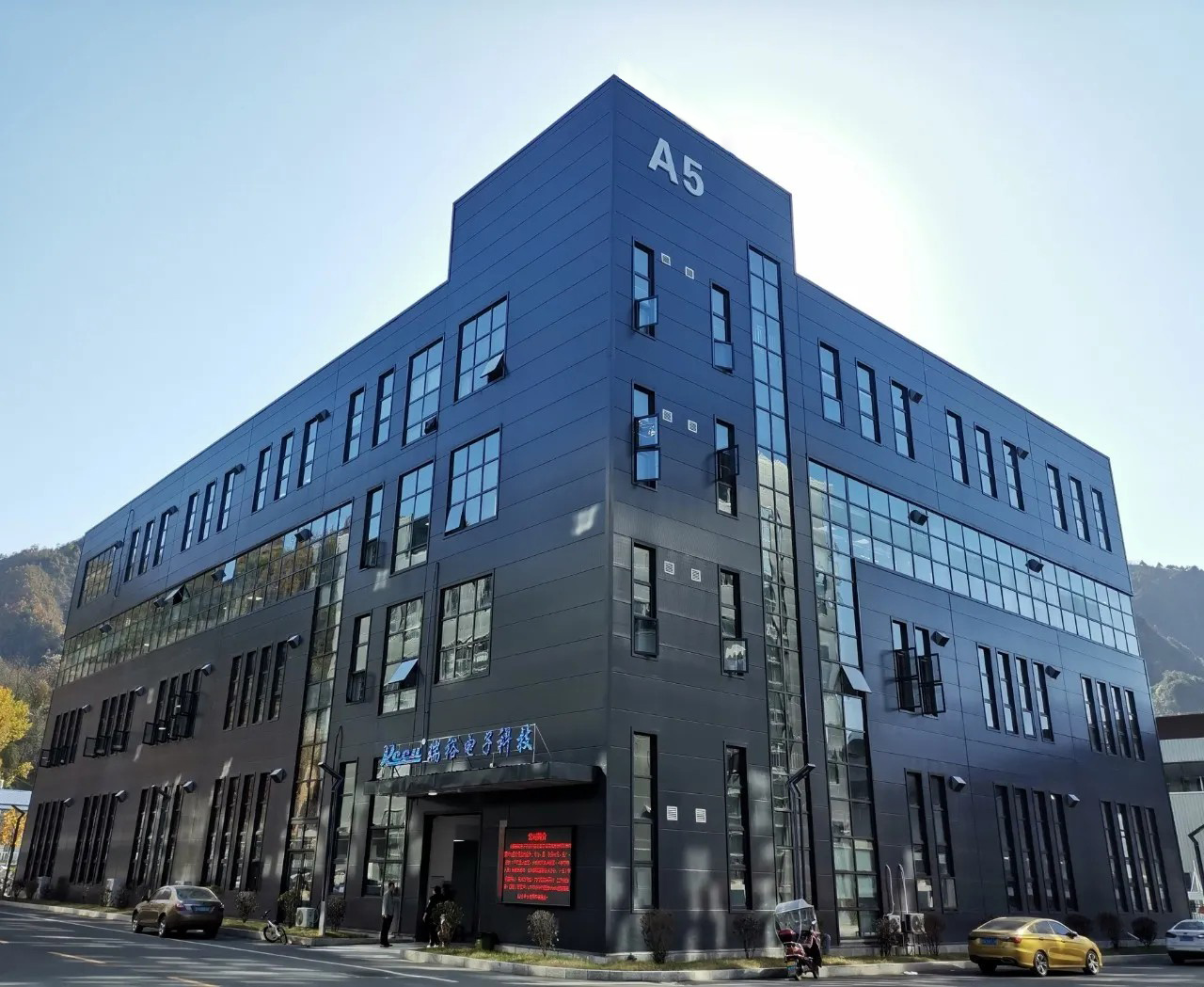
Located in the heart of Guangming District, Shenzhen, our facility accesses world-class port terminals and supply corridors, accelerating international logistics.
Established in August 2010, Shenzhen FuYun (RUIYU) Technology Co., Ltd. has developed into a leading, integrated provider of R&D, manufacturing, sales, and technical support for power adapters, smart battery chargers, and high-voltage core parts for beauty instrumentation and advanced battery protection system integrations.
The company maintains a production workforce of over 800 employees and a dedicated technical management team of 30+ specialists. We operate state-of-the-art automated manufacturing lines and utilize comprehensive laboratories equipped with reliability and safety verification test equipment.
Since our founding, we have optimized our internal quality control frameworks, securing a combined 60% market share in the United States and the European Union, alongside rapid business expansion across China, Japan, and South Korea.
We standardize our Standard Operating Procedures (SOPs), testing every product line against strict safety regulations and quality assurance benchmarks. 100% of power adapters and smart charger units must pass complete electrical tests before final packaging and delivery. We consistently adhere to our operational mission: "High quality, Better pricing, and Best service" to satisfy our clients globally.
RUIYU TECHNOLOGY was established, specializing in AC/DC power adapters, chargers, and custom switching power supplies.
Obtained major global safety approvals, certifying products to TUV, GS, BS, CE, UL, FCC, C-UL, PSE, SAA, and CCC standards.
Certified complete alignment with RoHS standards, verified via rigorous testing conducted by SGS.
Upgraded physical production facility certifications to the ISO9001:2000 Quality Management System standard.
Monthly order volume scaled past 800,000 units, supplying leading OEM partners in the USA, UK, EU, Japan, China, and ODM systems for South Korea.
At FuYun (RUIYU) Technology, we function like a close family, emphasizing close department cooperation and continuous structural improvement.
Our international sales department offers 24-hour service to global buyers, covering pricing updates, sample validation, production timelines, and logistics. We believe in providing robust communication via Email, Wechat, Skype, and Facebook to foster long-term partnerships.
"Offering you our best is what we must do for you!"
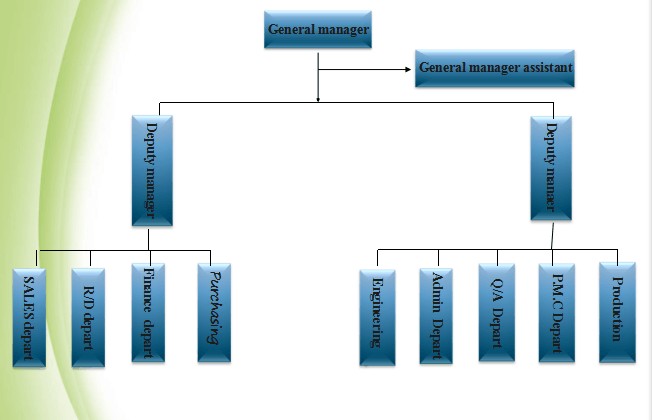
Designs reliable power adapters and BMS products according to market demands while securing international safety certifications.
Manages material supply chains in accordance with client orders, ensuring reliable delivery schedules.
Implements rigorous incoming material inspections and reliability validation testing.
Runs automated assembly lines according to production schedules, adhering strictly to QA standards.
Handles global client requests, inquiries, RFQs, sample confirmations, payments, and shipping logistics.
Answers to key questions concerning battery management systems, power configurations, and custom product development.
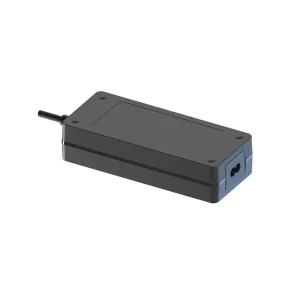
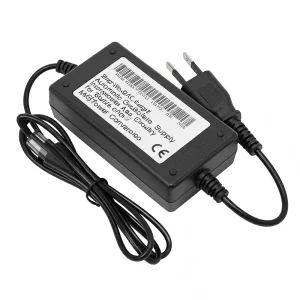
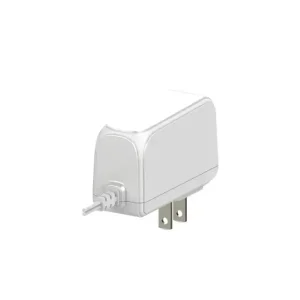
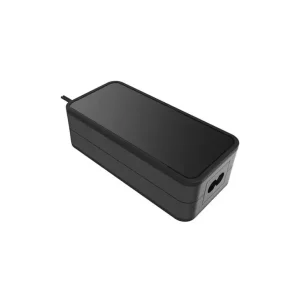
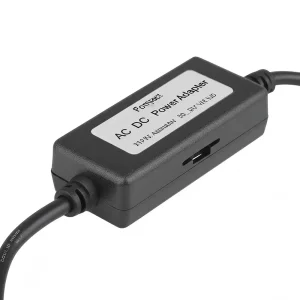
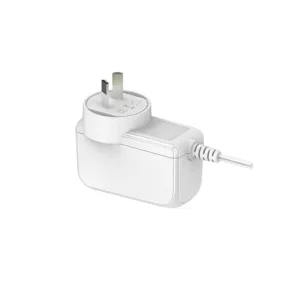
 Tech Adapter