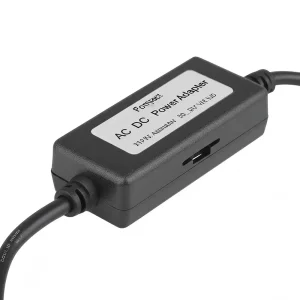
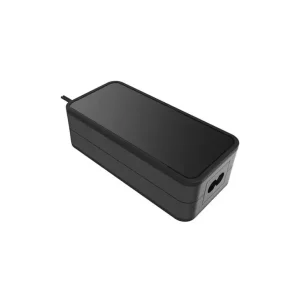
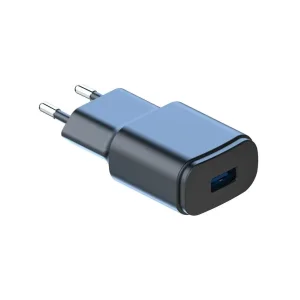
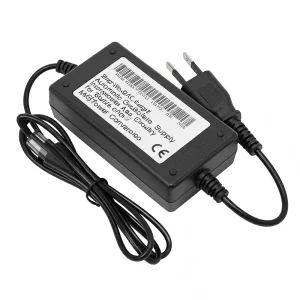
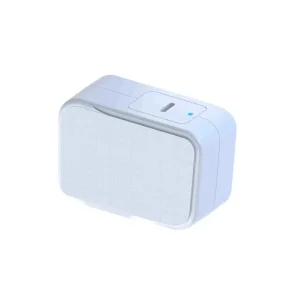
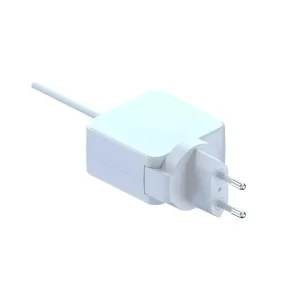
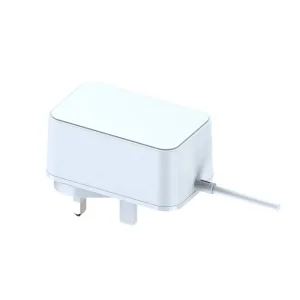
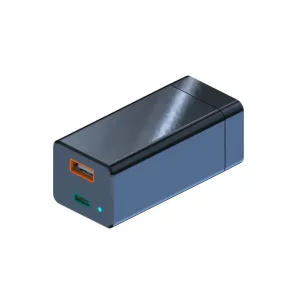
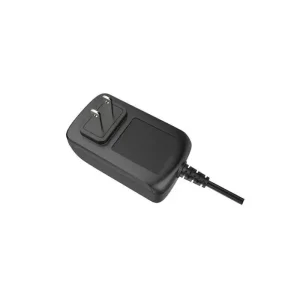
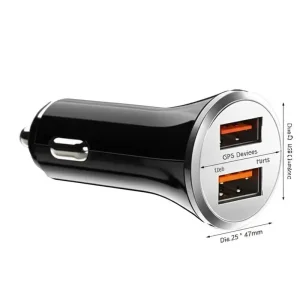
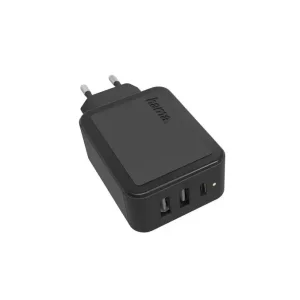
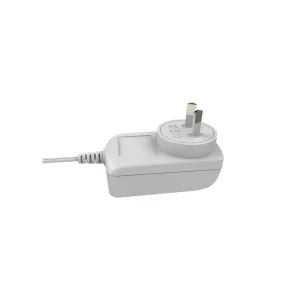
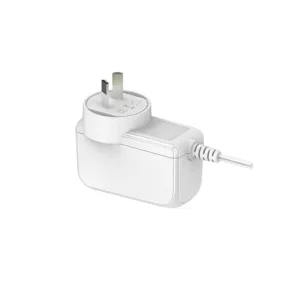
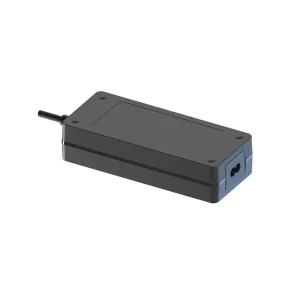
High-efficiency switching systems designed for global telecommunications, industrial automation, and consumer electronics applications.
The global power supply industry is undergoing a paradigm shift driven by the standardization of the USB Type-C interface and the rapid advancement of USB Power Delivery (PD) protocols. As consumer, industrial, and medical devices demand faster charging cycles, smaller enclosures, and universal interoperability, traditional legacy power bricks are being replaced by highly integrated Type-C PD power adapters.
Modern Type-C adapters leverage dynamic negotiation algorithms to adjust voltage and current outputs in real-time. Unlike static power adapters that supply a single fixed voltage, a standard USB-C PD 3.0 adapter can negotiate multiple power profiles—typically 5V, 9V, 12V, 15V, and 20V—at currents of up to 5A. This versatility eliminates the need for device-specific chargers, radically reducing electronic waste and streamlining procurement processes for global OEMs.
At the heart of the latest tech roadmap is Gallium Nitride (GaN) power switches. By replacing legacy silicon (Si) MOSFETs with GaN devices, manufacturers can increase switching frequencies from ~65kHz up to 300kHz or higher. This dramatic increase in frequency reduces the physical volume of magnetic components (transformers and inductors) and output capacitors, resulting in ultra-compact form factors with power densities exceeding 1.5W/cm³. Furthermore, GaN exhibits exceptionally low RDS(on) and gate charge, minimizing switching losses and achieving up to 94% efficiency at full load.
A premium Type-C power adapter is no longer just a commodity accessory; it is a critical component that ensures the operational uptime and safety of the connected equipment. Shenzhen FuYun (RUIYU) Technology co., LTD. engineers specific solutions adapted to various macro industries:
Equipped with DC plug connectors or Type-C terminals, our adapters support din-rail and desktop integration with robust over-voltage protection (OVP), short-circuit protection (SCP), and wide temperature operational tolerances (-20°C to +60°C).
With isolation barriers complying with 2xMOPP (Means of Patient Protection) standards, our specialized medical switching power supplies guarantee low leakage current (<100µA) and rigorous electromagnetic compatibility (EMC) compliance.
We deliver high-density PD adapters tailored for high-end laptops, intelligent mobile terminals, and generator accessories, all encased in high-grade fireproof PC (94 V0 rating) enclosures to ensure long-term thermal safety.
China remains the global epicenter for power supply manufacturing due to its unmatched supply chain integration, components cluster, and advanced assembly logistics. Based in Shenzhen's Guangming District, Shenzhen FuYun (RUIYU) Technology co., LTD. exemplifies the modernization of Chinese manufacturing through the deployment of Industry 4.0 paradigms.
Our facility hosts advanced SMT (Surface Mount Technology) assembly lines, automated solder paste inspection (SPI), automated optical inspection (AOI), and multi-channel automatic test equipment (ATE). By automating high-precision soldering and placement, we minimize human error and guarantee consistent electrical metrics across production runs.
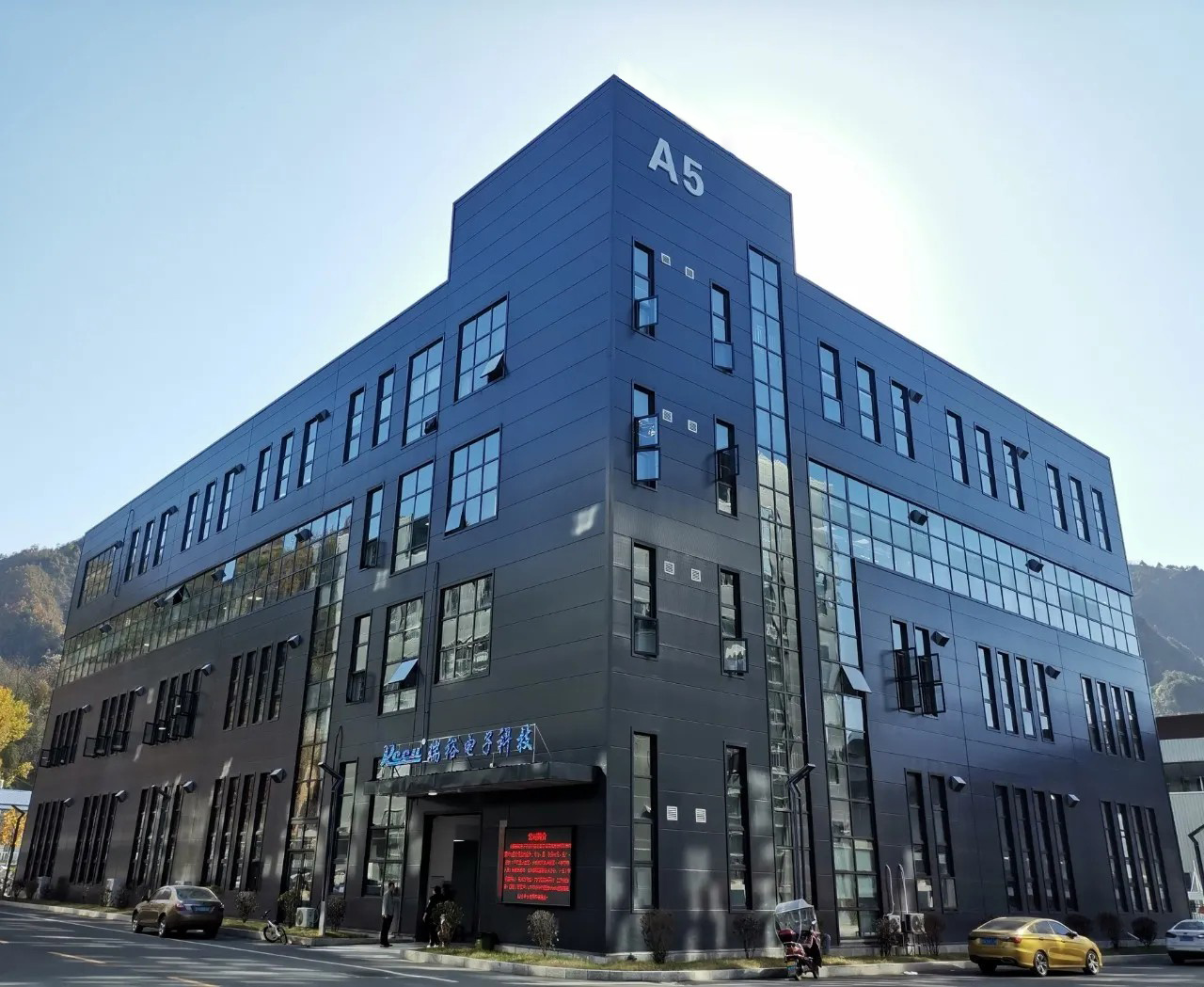
Factory Location: No.129 of the first industrial zone, Lisonglang Community, Gongming Town, Guangming New District, Shenzhen, Guangdong, China.
Established in August 2010, Shenzhen FuYun (RUIYU) Technology co., LTD. is a premier high-tech enterprise integrating the R&D, production, sales, and after-sales service of power adapters, switching chargers, and hairdressing instrument high-pressure core parts.
Our infrastructure supports a workforce of more than 800 employees, overseen by 30+ senior management and R&D engineers. By continuously strengthening our internal quality control system, we have secured a 60% market share in the demanding regions of the USA and the European Union, alongside rapid growth in China, Japan, and South Korea.
RUIYU TECHNOLOGY was officially established in Shenzhen, specializing in precision AC/DC power adapters, chargers, and high-efficiency switching power supplies.
Obtained comprehensive global safety credentials, including TUV, GS, BS, CE, UL, FCC, C-UL, PSE, SAA, and CCC certificates to support international export pipelines.
Achieved full RoHS compliance for all product families, validated via rigorous chemical analysis testing performed by SGS Group.
Successfully certified our manufacturing plant under the ISO 9001:2000 quality management system, establishing a baseline for systematic quality assurance.
Monthly order production capacity crossed the 800,000-piece milestone. Cemented major OEM/ODM partnerships across the USA, European Union, United Kingdom, Japan, China, and South Korea.
Regulatory compliance is the primary barrier for power adapters in global trade. A single uncertified power supply can lead to customs seizures, severe corporate liability, and product recalls. To mitigate these risks, Shenzhen FuYun maintains an active portfolio of international certifications, ensuring that our products conform to local statutory laws in all target jurisdictions.
Additionally, our design methodologies incorporate state-of-the-art EMI filtering (electromagnetic interference filters) containing common-mode chokes, X-capacitors, and Y-capacitors. This design ensures that conducted and radiated emissions fall well below the EN 55032 Class B threshold, providing clean operation next to sensitive telecommunications equipment.
Our internal departments operate in a closed-loop matrix structure, allowing for rapid communication, agile prototyping, and stringent quality control.
Expert technical answers addressing common inquiries from hardware engineers and procurement directors.
Explore our certified products ranging from 15W wall-mount systems to 350W robust desktop switching platforms.
 Tech Adapter